
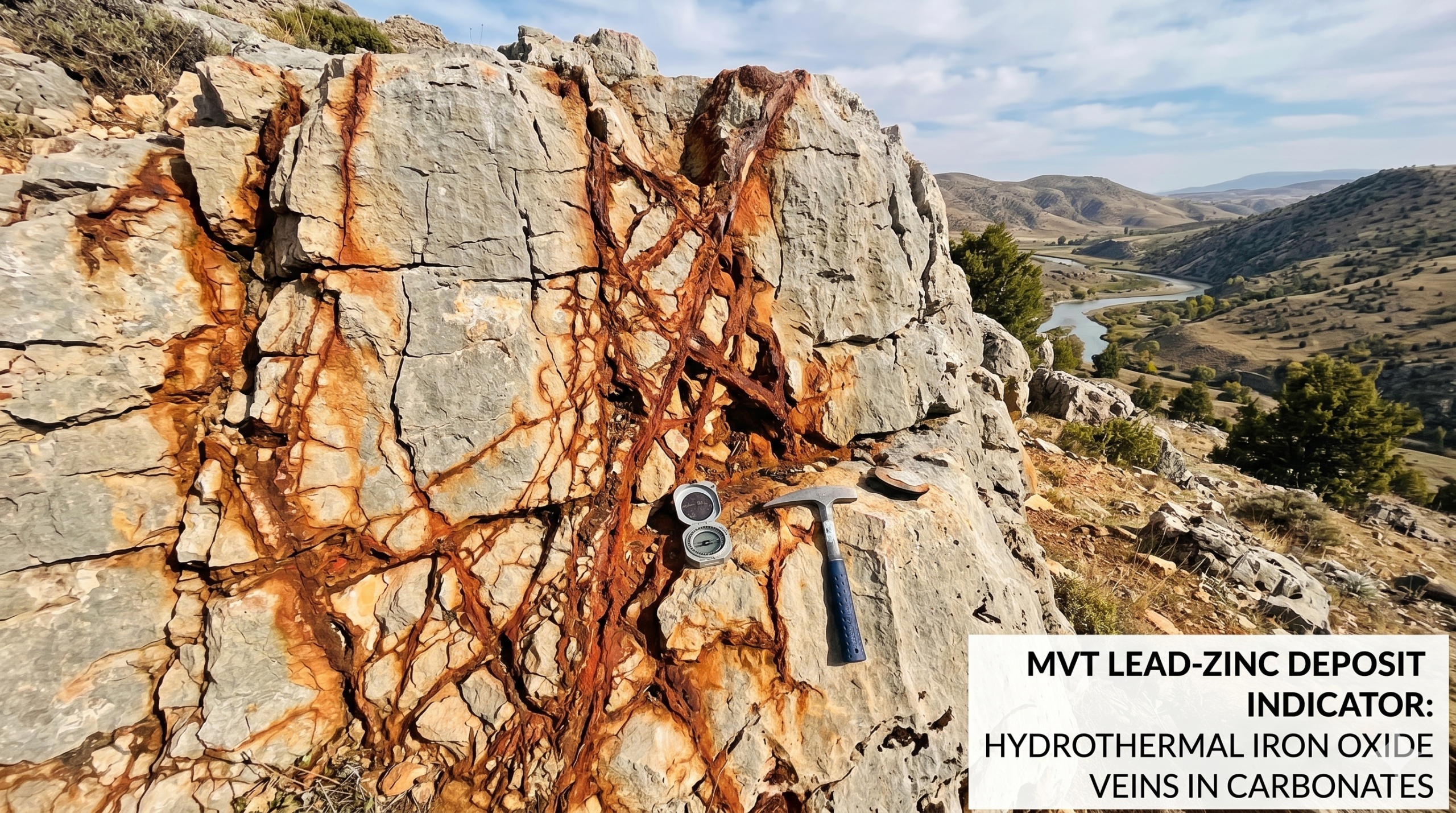
When it comes to the world’s major sources of lead and zinc, few geological formations are as significant as the Mississippi Valley-Type (MVT) deposits. Named after the region in the United States where they were first extensively studied, these deposits are a fascinating subject for economic geologists and mining engineers alike.
In this comprehensive guide, we will explore what MVT deposits are, the mechanisms behind their formation, how geologists spot them in the field, and where the most famous reserves are located globally.
What Are MVT Deposits?
Mississippi Valley-Type (MVT) deposits are epigenetic, stratabound carbonate-hosted ore deposits. In simpler terms, they are mineral concentrations that formed after their host rocks were deposited (epigenetic), they are confined to specific stratigraphic layers (stratabound), and they are almost exclusively found in carbonate rocks like limestone and dolostone.
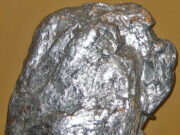
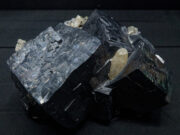
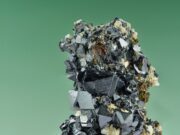
The primary economic minerals extracted from MVT deposits are sphalerite (zinc ore) and galena (lead ore). They are also significant sources of byproducts such as fluorite, barite, and occasionally silver.
How Do MVT Deposits Form? (The Geological Process)

Unlike porphyry or skarn deposits, MVT deposits do not have a direct connection to active volcanic magma chambers. Instead, their formation is a story of slow, low-temperature fluid migration across massive sedimentary basins.
- The Generation of Basinal Brines: The process begins deep within sedimentary basins. As sediments are buried over millions of years, the trapped seawater becomes highly saline (brine) and heats up due to the geothermal gradient, typically reaching temperatures of 90°C to 200°C.
- Fluid Migration: Tectonic forces or topographic gravity drive these hot, metal-rich brines outward toward the shallower margins of the basin.
- The Chemical Trap: When these brines migrate into porous carbonate rocks (limestone or dolomite) at the basin’s edge, they encounter a chemical trigger—usually a source of reduced sulfur (like hydrogen sulfide gas from decaying organic matter).
- Precipitation and Replacement: The mixing of the metal-rich fluid with the sulfur causes a rapid chemical reaction. Sphalerite and galena precipitate out of the fluid, filling existing pore spaces, fractures, and ancient cave systems (karst networks) within the carbonate rock. Often, the acidic brines dissolve the limestone, creating “collapse breccias” where the ore minerals cement the broken rock fragments together.
Surface Indicators: How to Spot MVT Deposits
Exploring for MVT deposits requires a keen eye for subtle geological clues, as they are often deeply buried. However, several surface and near-surface indicators can point geologists in the right direction:
- Hydrothermal Dolomitization: One of the most classic signs is the alteration of standard limestone into a specific type of dolomite known as “saddle dolomite.” This often gives the host rock a distinctive curved, pearly appearance.
- Brecciation and Karst Features: Surface evidence of ancient cave collapses, sinkholes, or extensive breccia networks (angular rock fragments cemented together) can indicate the pathways of the acidic, ore-bearing fluids.
- Gossans (Iron Caps): When the pyrite or marcasite associated with MVT deposits weathers at the surface, it oxidizes to form an iron-rich, rusty-colored crust known as a gossan.
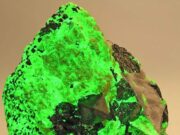
- Fluorite and Barite Outcrops: Finding significant veins or float (loose surface rocks) of fluorite and barite in a carbonate sequence is a strong indicator of potential MVT activity below.
Global Distribution: Where Are They Found?
While named after the American Midwest, MVT deposits are a global phenomenon. Some of the most famous districts include:
- United States (The Namesake): The Tri-State district (Missouri, Kansas, Oklahoma) and the Viburnum Trend in Missouri are historically the most prolific MVT regions in the world.
- Canada: The Pine Point district in the Northwest Territories is a classic example of a world-class MVT deposit hosted in an ancient barrier reef complex.
- Europe: The Alpine-type lead-zinc deposits in the Alps (spanning Austria, Italy, and Slovenia) share many similarities with classic MVTs.
- Australia: The Lennard Shelf in Western Australia and the Admiral Bay fault zone host massive, deeply buried MVT zinc-lead resources.
Economic Significance and Modern Exploration
Today, MVT deposits remain highly attractive to mining companies. Because they do not rely on hard, abrasive igneous rocks, the ores are relatively easy and cheap to mine and mill. Furthermore, the galena and sphalerite in these deposits are typically very coarse-grained and pure, making metallurgical processing highly efficient.
Modern exploration heavily utilizes 3D geological modeling (using software like Leapfrog Geo) to map subsurface stratigraphy, trace ancient reef trends, and pinpoint the subtle fault structures that acted as plumbing systems for the ore-forming brines.

[…] Mississippi Valley-Type (MVT) Deposits […]
[…] Mississippi Valley-Type (MVT) Deposits […]
[…] Mississippi Valley-Type (MVT) Deposits […]
[…] Mississippi Valley-Type (MVT) Deposits […]